Mortgage Speed-to-Lead: Why the First Call Always Wins (and How to Nail the First 5 Minutes)
Let’s be real—buying a home is one of the biggest decisions a person can make. So when a prospect fills out a mortgage inquiry, that little form submission is filled with a mix of excitement, nerves, and urgency. And guess what? The loan officer (or lender) who calls them first? Statistically, they win.
Welcome to the world of Mortgage Speed-to-Lead.
In this post, we’re diving into how response time can make or break a deal, why the first 5 minutes are pure gold, and how smart teams are automating their first outreach—without sacrificing that personal touch.
Why Speed-to-Lead Matters in the Mortgage Industry
You’ve probably heard this stat before, but it’s worth repeating: 78% of borrowers work with the first lender who contacts them.
That means if you're not first, you're probably last.
Let’s break this down:
- Most online mortgage inquiries are not exclusive. Your lead is likely shopping around.
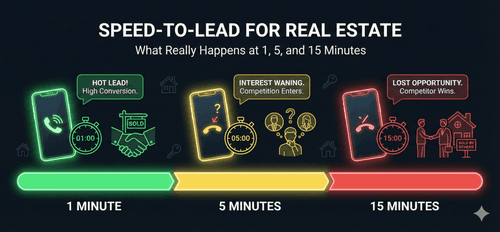
- Studies show that your chances of connecting with a lead decrease by over 80% after just 5 minutes.
- Every minute you’re not responding, a competitor probably is.
In simple terms: mortgage leads go cold—fast.
The First 5 Minutes: Small Window, Big Opportunity
The time between a lead clicking “Submit” and your call could be the difference between a closed loan…and a ghosted inquiry.
Here’s why the first 5 minutes are mission-critical:
- 🚀 Top-of-Mind Momentum – Your lead just submitted the form; they’re still thinking about rates, approvals, and next steps.
- 📞 Connectability is Highest – The longer you wait, the more distractions (and phone calls) your lead will deal with.
- 👑 First Impressions Matter – That initial call shapes their experience with your brand and influences trust.
If your team can consistently reach leads within 5 minutes, you don’t just look professional—you become the obvious choice.
But Here’s the Problem: Humans Can’t Answer Every Call
Even the most efficient loan officers miss calls. Maybe they’re on another line, at lunch, stuck in traffic, or it’s after hours.
And let’s face it: you can’t grow sustainably by being glued to your phone 24/7.
That’s where automation comes in. More specifically...
The Secret to Winning the First 5 Minutes? Smarter Automation
Imagine this scenario:
A lead submits a form on your website. Within seconds:
1. They get a personalized text or email confirming you’re reviewing their info.
2. A friendly voice calls them, asks a few qualifying questions, and books a time for your team to follow up more deeply.
3. You get notified with everything you need—their appointment, initial needs, and even a transcript of the conversation.
All without lifting a finger.
That’s not science fiction. That’s AI-powered automation built for speed-to-lead.
This kind of setup answers leads in real time, with a real voice, collecting the exact info you need to qualify them fast. It makes your brand look sharp, responsive, and trustworthy—without overwhelming your team.
What Smart Mortgage Teams Are Doing Differently
The top-performing loan officers aren’t just working harder. They’re working smarter by:
- Setting up automated lead responders that sound human
- Ensuring someone (or something) is always available—24/7
- Prioritizing calls over emails (because a conversation closes faster than a thread)
- Using AI assistants that can understand, answer, and route calls in real-time
They're not just calling faster—they’re capturing more qualified borrowers effortlessly.
Ready to Win the Speed-to-Lead Game?
If you’re in the mortgage space, speed is no longer optional—it’s your competitive advantage.
Winning the first 5 minutes doesn't require a bigger team—it requires a smarter system. One that helps you be “first to call” every time, even when you can’t pick up the phone.
In a world where borrowers value speed and personalization, the first call doesn’t just win attention—it wins trust.
And once you gain that, the rest of the loan process gets a whole lot easier.
Looking to dominate the speed-to-lead race in 2026? It might be time to give your phones a smarter strategy.